

By Own Correspondent
Rural women in southern Zimbabwe are experiencing a transformation in their daily lives thanks to innovative labour-saving technologies introduced by the Climate Resilient Livelihoods Project, a collaboration between the Green Climate Fund (GCF), the Government of Zimbabwe, and the United Nations Development Programme (UNDP).
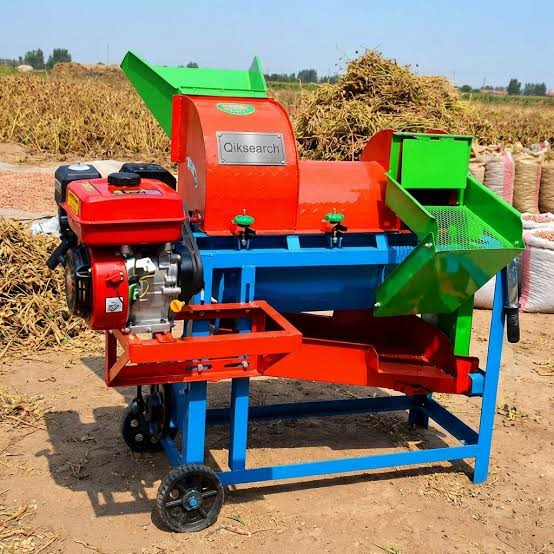
The project has equipped 230 Farmer Field Schools with tools like earth augers, multi-crop threshers, and grinder-choppers. These machines are reducing the physical workload for women, boosting productivity, and helping communities adapt to the challenges of climate change.
For years, women in these regions have managed both farming and household responsibilities, often working long hours preparing planting basins by hand, threshing grain, and processing livestock feed. Climate change—bringing unpredictable rains and frequent droughts—has made these tasks even harder.
Now, with the help of earth augers, women in places like Kichini Village (Buhera District) can prepare planting basins more quickly and efficiently, ensuring they plant crops on time during short and irregular rainy seasons.
“The auger has brought real relief to women. Now we can finish preparing our plots quickly and plant on time,” said Christine Mudzingwa, a local farmer.
In Gwanda District, the arrival of threshers and grinder-choppers means women can process grain and prepare livestock feed in a fraction of the time, freeing them from exhausting manual labour.
“The grinder-chopper does the heavy work for us. We can prepare enough feed for our livestock much faster,” explained Precious Hobane from Nsimbi Village.
Beyond saving time and energy, these technologies are opening up new opportunities. Women are now able to participate more actively in community groups, training sessions, and income-generating activities. Some Farmer Field Schools are even renting out the equipment to neighbouring farmers, using the earnings to maintain the machines and support vulnerable households.
The Climate Resilient Livelihoods Project is part of a broader effort to strengthen the resilience of vulnerable communities, advance gender equality, and promote sustainable livelihoods. By reducing drudgery and enabling women to take on greater roles in economic and community life, these technologies are helping rural households better withstand climate shocks and improve their quality of life.
“These machines have changed how we live and work,” said Mudzingwa. “Women now have time to think about improving their lives, not just surviving each farming season.”
Across southern Zimbabwe, the hum of new farm machinery stands as a symbol of progress, enabling women to reclaim their time, strengthen their livelihoods, and build a more resilient future.


Leave a comment