

BY STAFF REPORTER
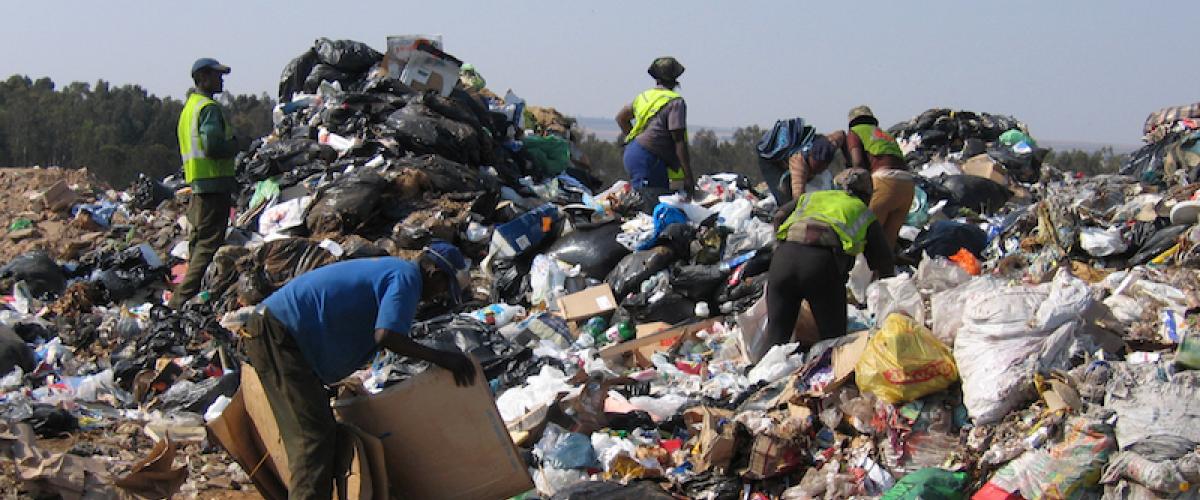
More than 400 people in Harare’s Mabvuku and Tafara suburbs have benefited from a green jobs programme that is turning waste collection and recycling into a source of income for unemployed residents.
The initiative, being implemented by Practical Action Zimbabwe with support from the Swedish International Development Agency (Sida), has established a clean energy centre and integrated resource recovery facility in Tafara.
The facility provides a platform where waste collectors can deliver recyclable materials, which are then sorted and sold to recycling companies. Participants receive payment for the materials they collect, with some reportedly earning up to US$250 a month.
The programme is mainly targeting unemployed women, young people and people living with disabilities, while also providing residents with practical skills that can improve their chances of securing employment or starting small businesses.
Practical Action business, markets and finance expert Patience Samhutsa said the project was built around the concept of generating economic value from waste.
The organisation is also aiming to increase the number of participants to about 1 000 waste pickers as it expands its green energy and livelihoods programme.
Apart from recycling, the Tafara centre has become a community skills development hub. It is powered entirely by solar energy and offers free training in areas such as welding, carpentry, cooking, detergent production, dressmaking, information and communication technology and hairdressing.
Site manager Melissah Mhaka said the facility currently employs 29 people on a full-time basis. Workers sort the collected waste before recyclable materials are sold to companies, including Geo Pomona Waste Management.
Mhaka said the project had changed the way residents viewed waste, with many now recognising its potential to generate income.
The initiative initially faced difficulties in transporting waste from collection points to the main facility. However, support from the private sector has helped ease the challenge.
Mhaka said Delta Corporation had provided a truck at no cost, allowing the project to transport waste from various drop-off points to the Tafara centre once a week.
The programme is now looking at introducing value-addition activities so that recyclable materials can be processed closer to where they are collected. This could increase the income earned by participants by allowing them to sell processed products rather than raw recyclable materials.
Practical Action said it plans to expand the programme while continuing to promote renewable energy, environmental protection and sustainable livelihoods in Mabvuku and Tafara.
For residents struggling to find employment, the initiative has provided a fresh source of income and practical skills. Community members have also expressed hope that similar programmes will be replicated in other suburbs, towns and cities across Zimbabwe.





Leave a comment